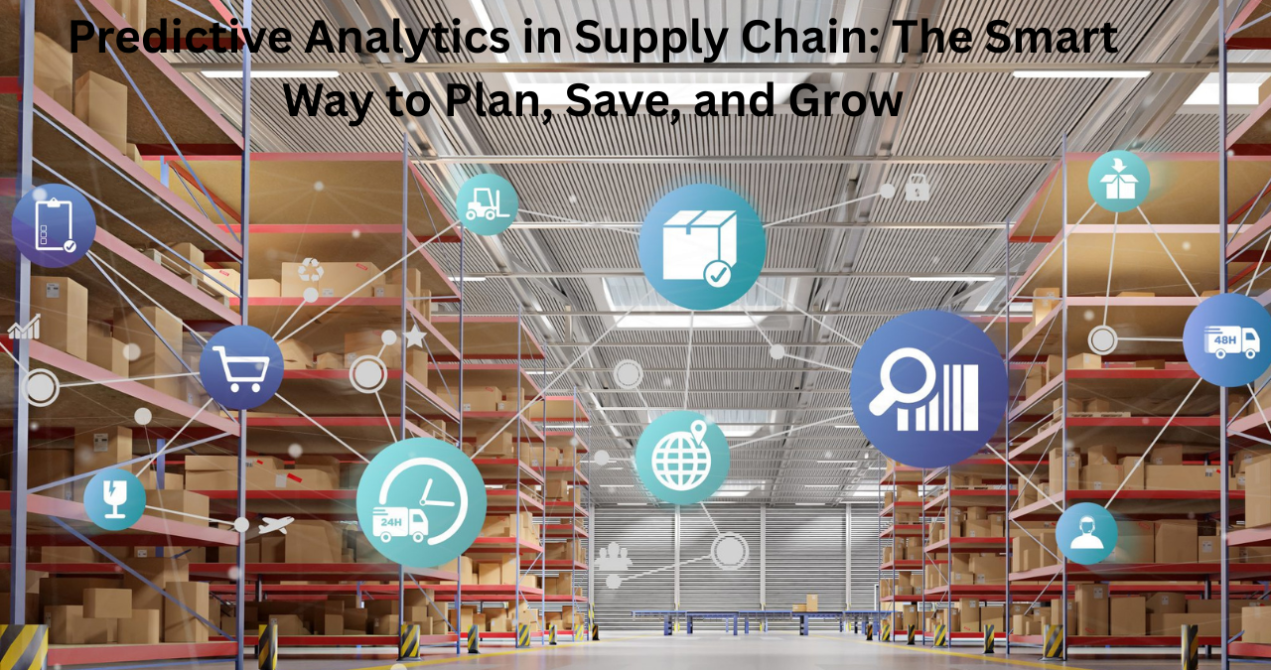

Predictive Analytics in Supply Chain. In today’s fast-moving world, businesses can’t afford to rely on guesswork. They need data, insights, and smart tools to stay ahead. That’s where predictive analytics in supply chain comes in. It helps companies forecast demand, reduce risks, and make better decisions—all before problems even happen. Sounds powerful, right? Let’s break it down in a simple and engaging way.
What Is Predictive Analytics in Supply Chain?
At its core, predictive analytics is about using past data to predict future outcomes. When applied to supply chains, it helps businesses understand what might happen next.
Think of it like this: if a company knows that product sales increase every winter, it can prepare ahead of time instead of scrambling at the last minute.
In simple terms, predictive analytics in supply chain means:
- Studying past trends
- Using data models
- Predicting future demand and risks
Companies like Amazon and Walmart already use this technology to stay competitive.
Why Predictive Analytics Matters Today
Supply chains are more complex than ever. Products travel across countries, and delays can happen at any point. Without proper planning, businesses can lose money and customers.
Here’s why predictive analytics is so important:
- It reduces uncertainty
- It improves decision-making
- It saves time and money
- It boosts customer satisfaction
In short, it turns chaos into clarity.
How Predictive Analytics in Supply Chain Works
Let’s keep it simple. The process usually follows these steps:
Data Collection
Businesses gather data from different sources:
- Sales history
- Customer behavior
- Weather patterns
- Market trends
Data Analysis
Advanced tools analyze the data using algorithms and machine learning.
Forecasting
The system predicts what might happen in the future.
Decision Making
Managers use these insights to make smart choices.
That’s the magic behind predictive analytics in supply chain—turning raw data into useful insights.
Key Benefits of Predictive Analytics in Supply Chain
Businesses that use predictive analytics enjoy many advantages. Let’s explore them.
Better Demand Forecasting
Companies can predict how much product customers will need. This prevents overstocking or shortages.
Reduced Costs
By planning ahead, businesses avoid unnecessary expenses like emergency shipping.
Improved Inventory Management
Warehouses stay organized, and products are available when needed.
Risk Management
Predictive models can identify risks like delays or disruptions before they happen.
Faster Decision-Making
Managers don’t need to guess—they rely on data.
Real-World Examples You Should Know
Let’s look at how big companies use predictive analytics.
Retail Industry
Target uses predictive models to understand customer buying habits. This helps them stock the right products at the right time.
Logistics Companies
FedEx uses predictive tools to optimize delivery routes and avoid delays.
Manufacturing
General Electric uses analytics to predict equipment failures and reduce downtime.
These examples show how predictive analytics in supply chain is not just theory—it’s real and effective.
Tools and Technologies Behind Predictive Analytics
Predictive analytics doesn’t work alone. It relies on powerful tools and technologies.
Common Tools Include:
- Machine learning algorithms
- Artificial intelligence (AI)
- Data mining software
- Cloud computing platforms
Companies often use platforms like Microsoft Azure or Google Cloud to process large amounts of data.
Challenges Businesses May Face
While predictive analytics is powerful, it’s not always easy to implement.
Data Quality Issues
Bad data leads to bad predictions. Clean data is essential.
High Costs
Advanced tools and skilled experts can be expensive.
Complexity
Understanding and managing predictive systems can be tricky.
Resistance to Change
Some teams may hesitate to adopt new technology.
Despite these challenges, the benefits of predictive analytics in supply chain often outweigh the difficulties.
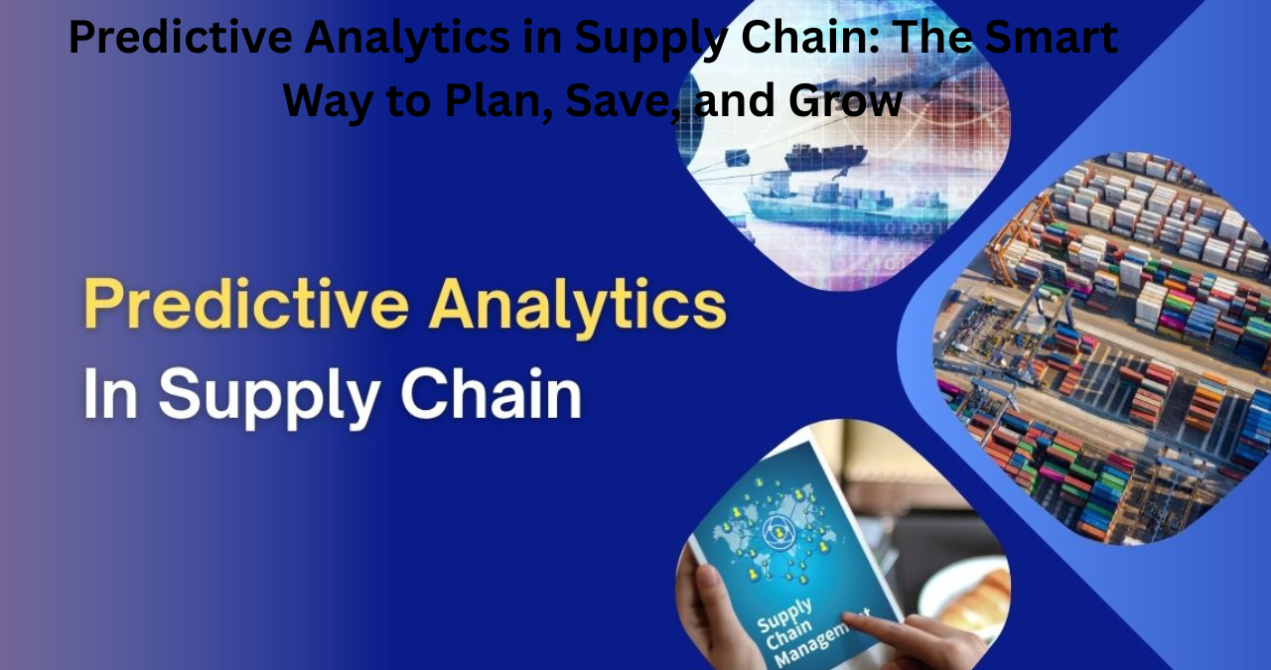
Predictive vs Traditional Supply Chain Methods
Let’s compare predictive analytics with traditional methods to see the difference.
| Feature | Traditional Supply Chain | Predictive Analytics Approach |
|---|---|---|
| Decision Making | Based on experience | Based on data and insights |
| Demand Forecasting | Reactive | Proactive |
| Risk Management | Limited | Advanced and predictive |
| Efficiency | Moderate | High |
| Cost Control | Less effective | Highly optimized |
This table shows how modern businesses are shifting toward smarter solutions.
How Small Businesses Can Use Predictive Analytics
You might think predictive analytics is only for big companies—but that’s not true.
Small businesses can also benefit by:
- Using simple analytics tools
- Tracking sales trends
- Studying customer behavior
- Leveraging affordable cloud services
Even basic use of predictive analytics in supply chain can make a big difference.
Future Trends in Predictive Analytics
The future looks bright and exciting.
AI Integration
Artificial intelligence will make predictions even more accurate.
Real-Time Data
Businesses will make decisions instantly using live data.
Automation
Supply chains will become more automated and efficient.
Sustainability
Predictive analytics will help reduce waste and support eco-friendly practices.
Companies like IBM are already working on advanced AI-driven supply chain solutions.
Tips to Successfully Implement Predictive Analytics
If a business wants to start using predictive analytics, here are some practical tips:
- Start small and scale gradually
- Focus on high-quality data
- Train your team properly
- Choose the right tools
- Monitor and improve continuously
Remember, success doesn’t happen overnight. It takes time, effort, and consistency.
Common Mistakes to Avoid
Even the best plans can go wrong. Here are some pitfalls to watch out for:
- Ignoring data accuracy
- Relying too much on technology without human judgment
- Not updating models regularly
- Overcomplicating the process
Avoiding these mistakes will help you get the most out of predictive analytics in supply chain.
Why Predictive Analytics Is a Game-Changer
Let’s be honest—business is no longer about reacting. It’s about predicting.
Predictive analytics gives companies a competitive edge. It helps them:
- Stay ahead of market trends
- Meet customer expectations
- Reduce risks
- Increase profits
In a world where timing is everything, this technology is a true game-changer.
Final Thoughts: The Future Is Predictive
To wrap it up, predictive analytics in supply chain is not just a trend—it’s the future of smart business. It helps companies plan better, act faster, and grow stronger.
Whether you’re running a small shop or a global company, using predictive analytics can transform the way you operate. It turns uncertainty into opportunity and challenges into success.
So, if you’re still relying on guesswork, it’s time to change gears. Embrace predictive analytics, and you’ll be one step ahead of the competition—every single time.
You may also read
Why puka nacua adin ross Became One of the Internet’s Most Talked-About Sports and Streaming Moments